Forested Himalayan landscape in Chamoli, associated with the Chipko movement
Stories from Chamoli · Heritage & Conservation

The Chipko Movement:
Chamoli's Pride

The story of ordinary villagers who stood together to protect their forests and inspired a lasting legacy of environmental conservation.

Discover the Story
Chamoli, Uttarakhand · The birthplace of a landmark forest movement
A Movement That Changed History
The Power of People

When protecting a tree became an act of courage

In the hills of Chamoli, the forest was more than a landscape. It was a source of fuel, fodder, water, livelihoods and life itself. When commercial tree felling threatened these forests, local communities chose to stand up for the environment they depended on.

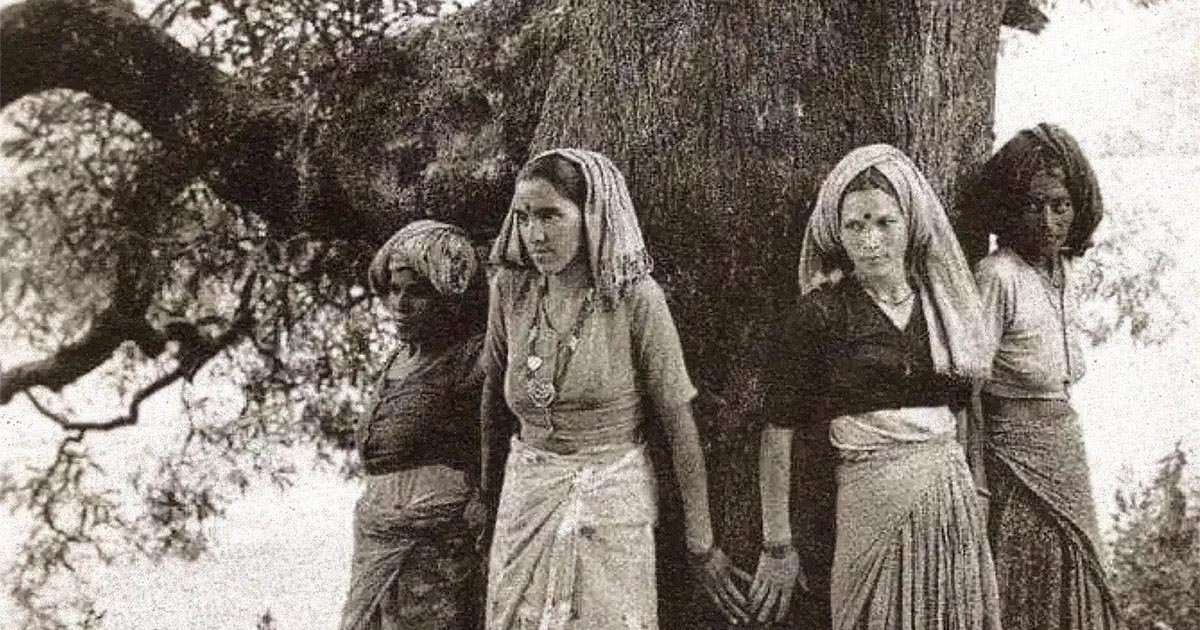
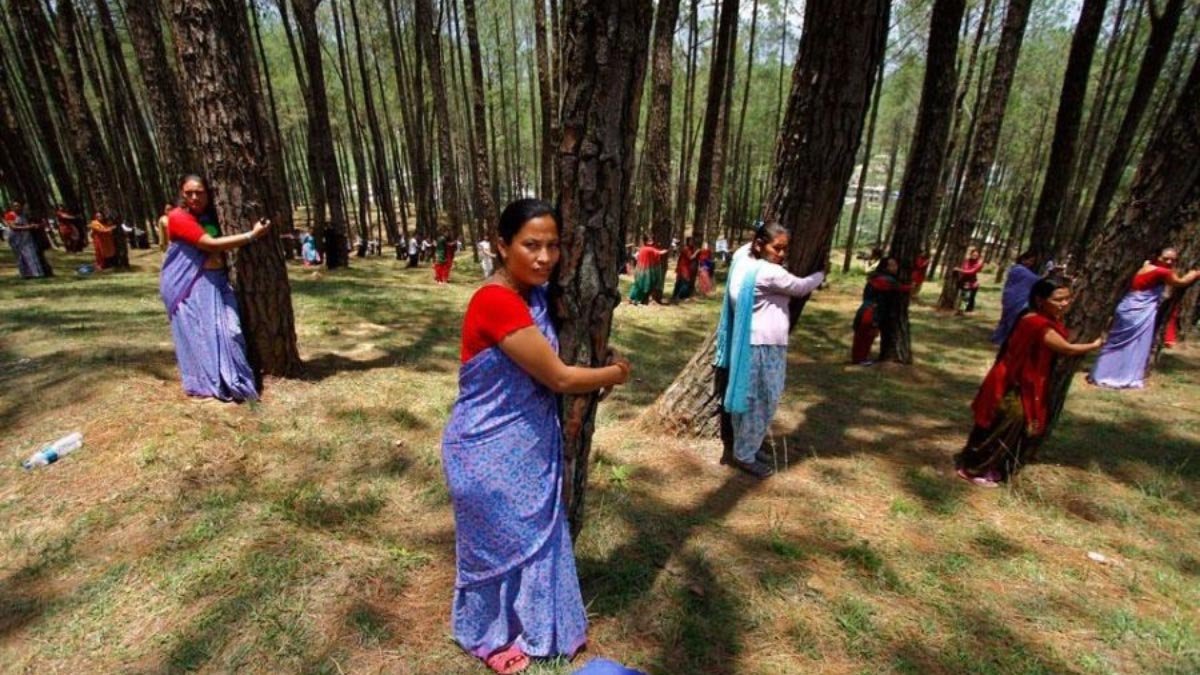
The Chipko movement emerged in the Garhwal Himalayas in the early 1970s. Villagers challenged tree felling through peaceful, collective action. The word "Chipko" means to cling or embrace, reflecting the powerful method of placing their bodies between trees and those seeking to cut them down.

What began as a struggle over local forests grew into a wider conversation about community rights, ecological balance and the relationship between people and nature.

Dense Himalayan forest representing the natural heritage protected by the Chipko movement
For the communities of the Himalayas, forests sustain both livelihoods and the natural environment.
The Beginning

A local struggle with a far-reaching message

The movement grew from concerns about commercial logging and the needs of mountain communities. Its early actions in Chamoli helped establish peaceful resistance as a powerful way to defend the forests.

01

The protest at Mandal, 1973

In April 1973, villagers in the Mandal area of Chamoli protested against the felling of ash trees. The dispute reflected a larger concern: local communities felt their needs for forest resources were being overlooked in favour of commercial interests. Chandi Prasad Bhatt and the Dasholi Gram Swarajya Mandal were associated with this early phase of the movement.

02

Forests and community livelihoods

Forests provided mountain communities with firewood, fodder, agricultural materials and other essentials. Protecting trees was therefore closely connected to livelihoods, local knowledge and the long-term health of the surrounding landscape.

03

A different kind of protest

Instead of responding with violence, villagers used peaceful resistance. By embracing trees and refusing to move, they brought attention to the consequences of deforestation and demonstrated the strength of organised community action.

04

From Chamoli to a wider movement

Similar forest-protection actions spread across parts of the Himalayan region. The movement helped bring community concerns about forests into wider public discussion and became an influential reference point for environmental conservation in India.

Himalayan forest landscape representing the forests defended by the women of Reni Reni · March 1974
The Women of Reni

Gaura Devi: The courage to stand for the forest

One of the most widely remembered moments in the movement took place at Reni village in Chamoli in March 1974. When loggers arrived to cut trees, village women came forward to protect the forest.

Gaura Devi, who led the village's Mahila Mangal Dal, became central to this action. Along with other women, she confronted the logging party and made it clear that the trees would not be surrendered without resistance.

The women embraced the trees, placing themselves between the forest and the axes. Their action became one of the defining episodes of the Chipko movement and a lasting symbol of women's leadership in environmental protection.

Protecting the forest meant protecting the community, its future and the natural world on which life depended.
A Lasting Legacy

What the Chipko movement stood for

Chipko was not only about stopping trees from being cut. It drew attention to the connections between forests, local livelihoods, community participation and environmental responsibility.

Himalayan forest and mountain slopes
Forest Conservation

Protecting Natural Resources

The movement highlighted the importance of forests in maintaining soil stability, supporting water systems and sustaining the ecological balance of mountain regions.

Green forest in the Garhwal Himalayas
Community Leadership

The Strength of Collective Action

Villagers demonstrated how organised, peaceful action could bring local environmental concerns into broader public and policy discussions.

Mountain landscape of Chamoli, Uttarakhand
Women's Leadership

A Voice for Future Generations

The women of Reni became enduring examples of community leadership, showing how local knowledge and determination can help shape environmental action.

Forested Himalayan slopes in the Chamoli region
Beyond the Protest

A legacy that reached beyond the Himalayas

The Chipko movement helped change the way forests and their relationship with local communities were discussed in India. It drew attention to the limits of treating forests only as commercial resources and strengthened public awareness of conservation.

In 1980, the Indian government announced a fifteen-year ban on commercial green-tree felling in the Himalayan forests of what was then Uttar Pradesh. This policy development became an important part of the movement's wider legacy.

Chipko also inspired later environmental campaigns and remains a significant example of non-violent collective action for nature.

Carry the Legacy Forward

Honour the forests that shaped Chamoli's story

The message of Chipko remains relevant: natural landscapes need care, and the communities who depend on them deserve a meaningful voice in their protection.

Visitors to Chamoli can honour this legacy by avoiding litter, reducing single-use plastics, respecting forest rules and supporting local communities and responsible tourism initiatives.

Treat trails, rivers, forests and village surroundings with care. Small choices by individual travellers can help preserve the region's natural and cultural heritage.

Himalayan forest landscape in Chamoli
The Spirit of Chamoli

A forest protected. A legacy remembered.

The Chipko movement reminds us that lasting environmental change can begin when people stand together for the places they call home. Its story continues to connect Chamoli's heritage with the future of conservation.

Chamoli · Garhwal Himalayas · Uttarakhand
Explore Visit Chamoli